Implant Overdentures: Benefits, Cost and Treatment Guide
Loose dentures affect confidence, speech, and daily life. Implant overdentures offer a secure, removable solution anchored to dental implants - here is everything you need to know.
If you wear loose dentures or have several missing teeth, implant overdentures may give you a more secure and comfortable solution. Unlike traditional dentures or traditional complete dentures, this removable dental prosthesis gets used up with dental implants which are implanted in the jawbone. As a result, a lot of patients have the benefits of increased comfort, increased bite force, and more confidence in their daily lives.
At ACE DNTL STUDIO, on the Costa del Sol, we see quite often people who would rather have more than a denture simply sitting on the gums. The latter truly want stability, improved speech, and a treatment for long term oral health. Therefore, this guide explains how implant overdentures work, who they help, and what to expect from implant treatment.
What are implant overdentures?
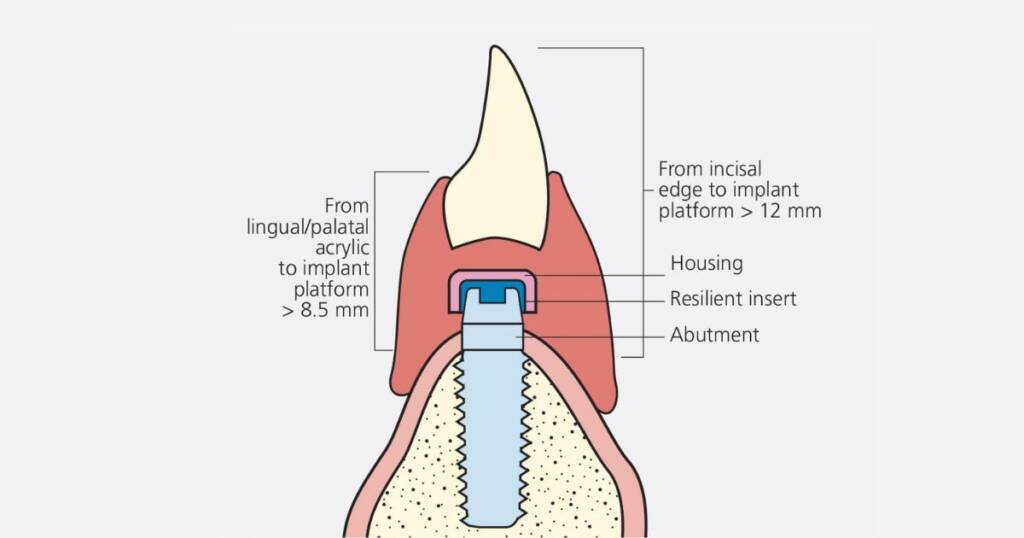
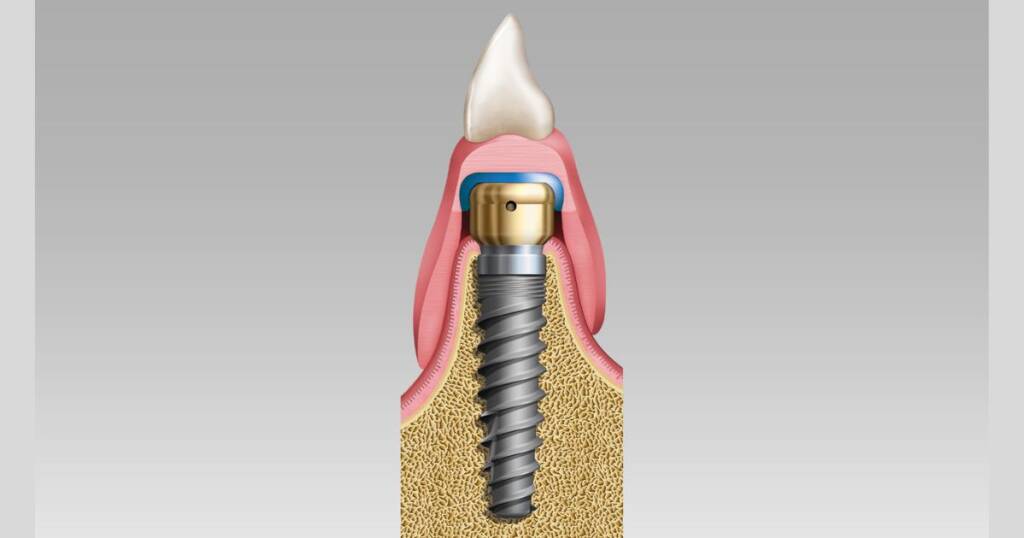
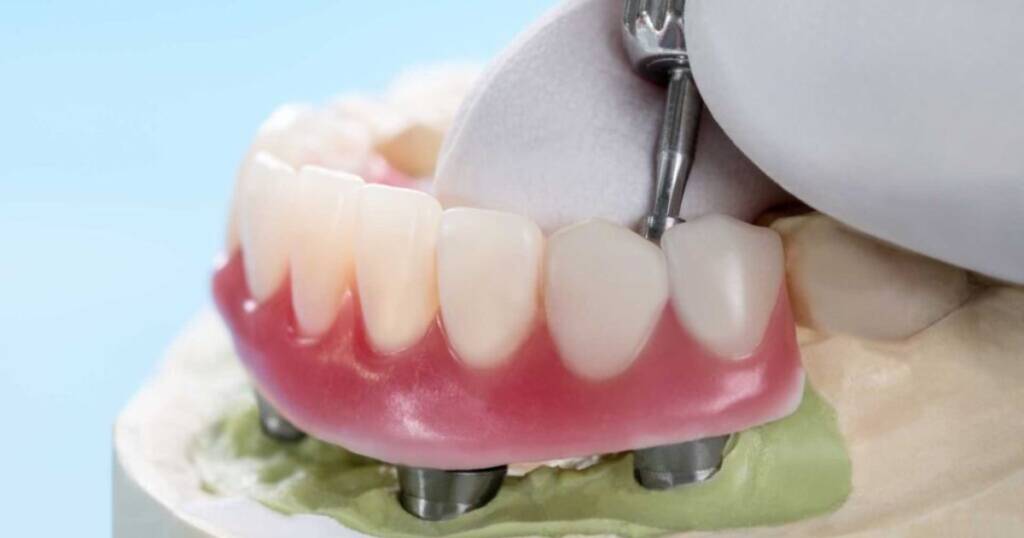
Implant overdentures are removable dentures that attach to implants placed in the bone. In basic terms, they take the convenience of a removable denture and the added benefit of the implants. Because they snap in with special attachments on to the implants, they are usually much more secure than conventional dentures.
You will also see the terms implant retained overdentures, implant supported overdentures or implant supported dentures. These names are similar, although they can be used to describe the back of the denture dividing in slightly different ways – i.e. on how the denture gets its support. In some designs, the implants hold the denture mainly in place. In others the implants also bear more of the chewing load.
Implant overdentures vs fixed teeth
A rather common question is if this option is a fixed one. The answer is no. Overdenture is easy to remove by the patient, but the fixed is only removed by a dentist. That is important because some will want a removable solution for easier cleaning, while others will want a full-arch fixed solution.
Who can benefit from implant overdentures?
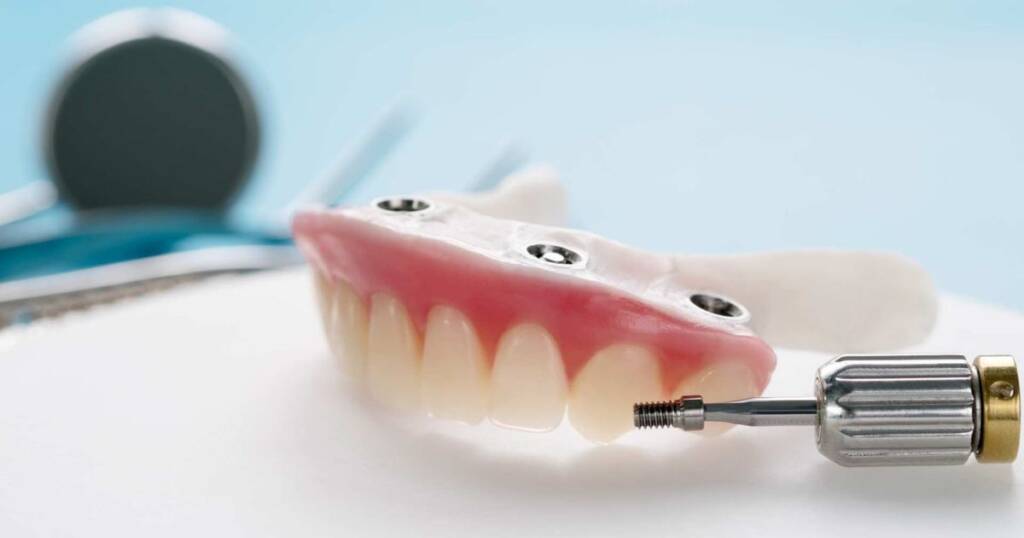
This treatment is effective in a great number of cases for the treatment of edentulous patients, in particular those who have all the teeth of one arbour. It can also be useful in providing complete dentures for edentulous patients who experience slipping of the complete dentures, painful spots or poor chewing. In addition, for some people failing teeth often lead to a decision while you are at implants after tooth extractions as thrown full mouth rehabilitation.
You may be suitable for this study if you:
- Wear artificial looser traditional dentures
- Have an arch that is missing teeth or a mandible missing teeth
- Want More Stability without having to Opt for a Fully Fixed Bridge
- Need to increase oral function and speech
- Want a solution which may help to limit on-going bone loss
Sometimes, a patient is still left with some kind of natural teeth or incoming teeth. In those cases there might be a comparison made, between implant options and tooth supported overdentures from the dentist. However, if the teeth left are weak or considerably damaged, implants are often a stronger long term plan.
Why implant overdentures offer several advantages
Loose dentures are able to move when you talk, laugh or eat. Because they are only supported on the soft tissue itself they can rub the gums, make the bite strength less and hard or sticky foods difficult to cope with. Therefore, many patients seek a good solution to the problem of a comfortable but not too difficult cleaning solution.
Implant overdentures offer several important benefits:
- Improved stability and enhanced stability
- Better stability than is seen in removable complete dentures
- Increased chewing power and increased chewing efficiency
- Less movement on the gums
- Improved speech and confidence
- Functional and aesthetic advantages
- Improved quality of life and oral health related quality measures
It has been researched to support these benefits for years now. In fact, the McGill Consensus Statement described mandibular two implant overdentures as a first choice standard for many people with a lower edentulous jaw. In journals like those of J Prosthet Dent, Br Dent J and Clin Oral Implants publications, studies and systematic review papers often report excellent patient satisfaction and positive patient reported outcomes.
Implant overdentures vs traditional dentures and fixed prosthesis
The table below outlines the key differences in the more common treatment options.
| Option | Stability | Cleaning | Cost | Feel in daily life | Bone support |
|---|---|---|---|---|---|
| Traditional dentures / conventional complete dentures | Low to moderate | Easy | Lower | May slip during eating or speech | Do not stop jaw shrinkage |
| Implant overdentures | Moderate to high | Easy to moderate | Medium | More secure, removable at home | Can help reduce bone loss |
| Fixed prosthesis | High | More complex | Higher | Feels closest to fixed teeth | Good implant-based support |
For many patients, implant overdentures sit in the "middle ground." They provide much greater retention than conventional complete dentures, but are still simpler to clean than a fully fixed bridge. As a result, they are often a great treatment choice for older adults and people who are interested in getting security without the cost of any main, and the cumbersomeness of a fixed full-arch prosthesis.
Types of implant supported overdenture
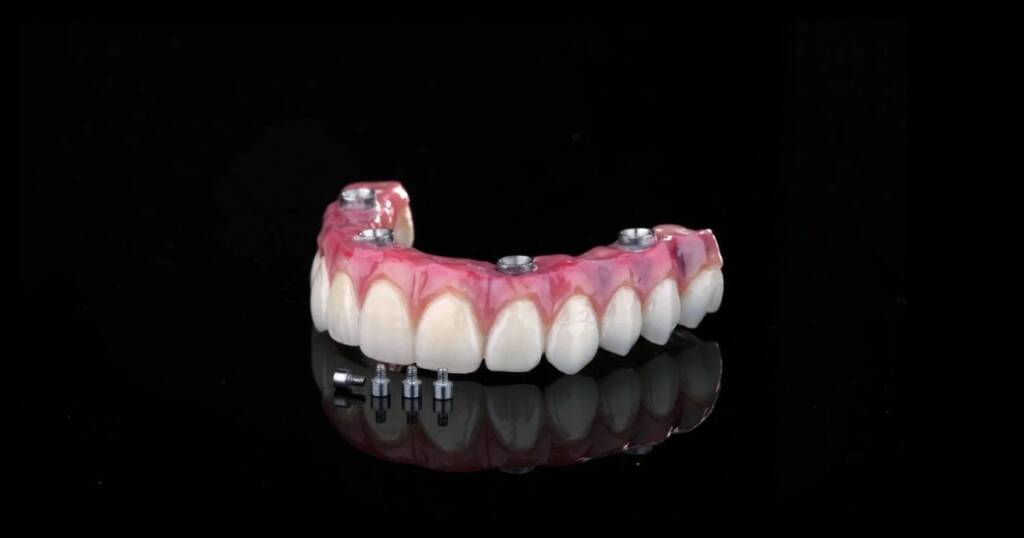
All overdentures are not created alike. The design is dependent on the arch, the amount of bone available, the shape of the jaw and the goals of the patient.
Mandibular two implant overdentures
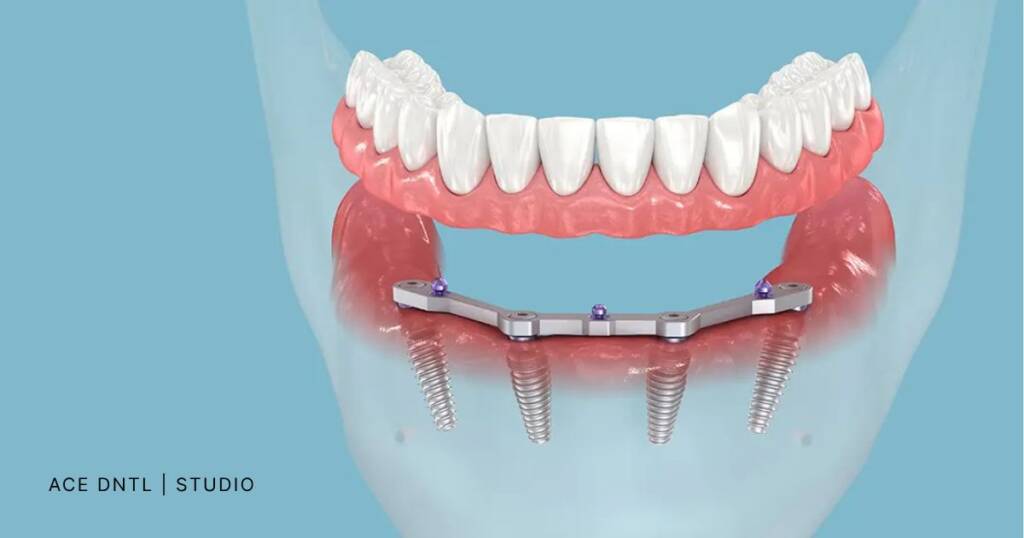
This is one of the most common ones for the bottom half. With two implants inserted in the front portion of the bone in the mandible, the denture clips or snaps in place. Because of the amount of movement the lower denture is often the one that moves the most, this design can alter comfort and function.
Upper jaw implant overdentures
The upper jaw typically is softer, has different bone and physical structure. Therefore, the upper arch often requires more support, and a large number of cases are done with four implants instead of two. In addition, lip support, smile line, and space available for restoration have to be considered in the design.
Attachment systems
Common attachments include:
- Locator or stud attachments because of "snap-in" feel
- Bar-retained designs which provide for additional retention and even load spreading
- Designs mixed in based on the individual patient
A bar can offer good retention and isn't as much of a space dint or high maintenance as cleaning it can be. Locator-type attachments are less complex for many patients and they are easy to remove.
How many dental implants are required?
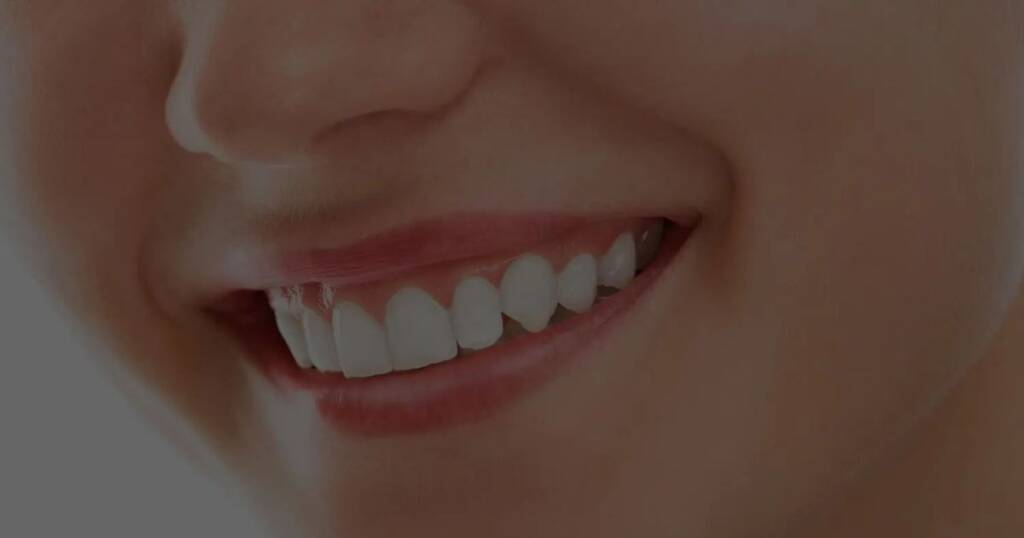
Number of implants: this depends on arcing bite force, quality of bones and the design of the denture. Although adding more implants will increase the support, it is not always needed. Good treatment planning faces as it's more important to add more fixtures.
Common patterns
- Lower jaw: often two implants
- Upper jaw: frequently contains 4 implants
- More implants may be recommended when the bite is strong or bone is poor, or additional support is required
The dentist also evaluates the volume and thickness of the gums, as well as the amount of room that is available for the denture base and attachments. If there is little space for restorative work, some systems do not work as well as others.
Implant overdentures treatment: step by step
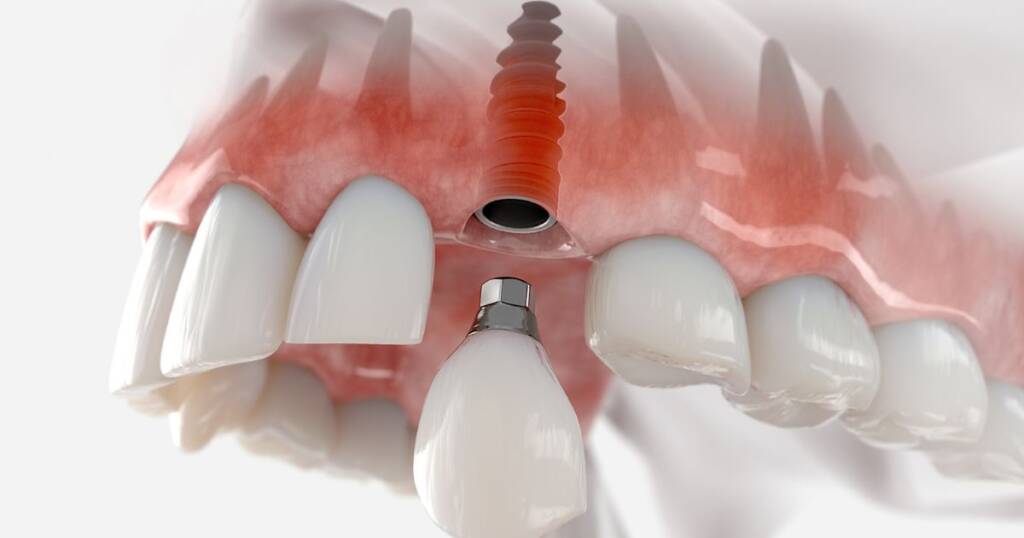
The process normally occurs in obvious stages. That helps to keep treatment safe, precise, and predictable.
Consultation and preparation of treatment
First, the dentist consults with you about your health, goals and how many teeth you currently have or which teeth have had to be extracted in permanent dentures. X-rays or 3D scans reveal the available bone, jaw shape, and the areas of prior bone loss. This stage helps in guiding the complete plan of treatment for with the implant.
Implant surgery
Next comes implant surgery. In most cases, the implants are placed under local anaesthetic by the dentist, which may also be the case for sedation. Due to the targeting and careful planning involved in the surgery, most patients report the procedure to be easier than they thought it would be.
Healing and temporary denture
During the nutritional healing time, you can use a temporary denture. Meanwhile, the implants grow with the bone during several weeks or months. The exact time is dependent on the implant system, healing response and if grafting was needed.
Final overdenture fitting
Once the entire healing process is complete, the team mounts the final and the next part of the process is the fitting of the attachment part. The denture should have a secure feeling, although it is always removed for home care. After that time, a few minor adjustments will usually resolve the comfort and balance of bites significantly.
Benefits related to the oral health, the chewing and the life
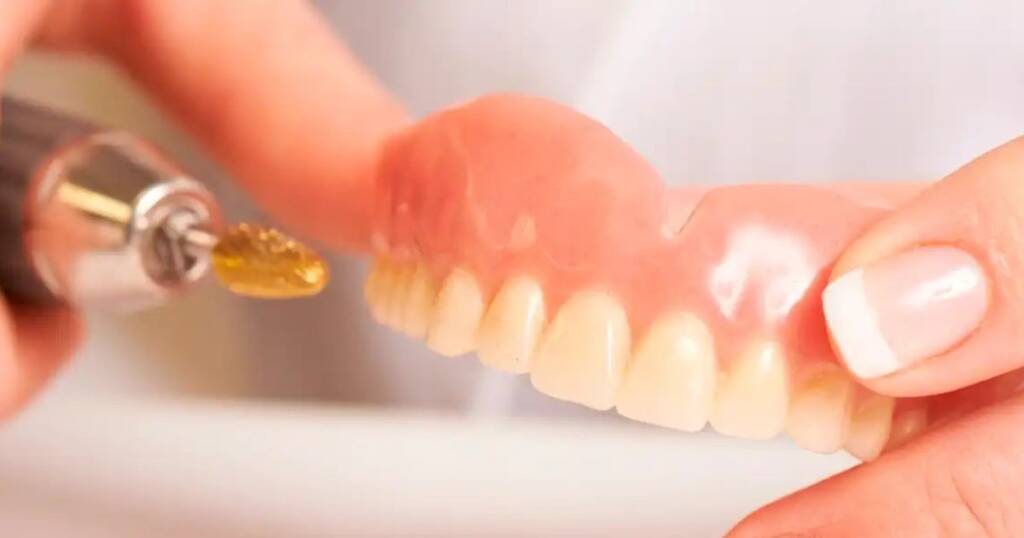
One of the greatest gains is that of function. Because the Denture no longer floats on the gums many patients enjoy better chewing and better control. That means more confidence while eating firmer foods and less fear when eating out in public.
Key day-to-day benefits include:
- Better oral function
- Less rubbing on soft tissue
- More natural speech
- Improvement in facial support and aesthetics
- Better security in social life
- Increased overall quality of life
Implants can also be used to help maintain the jaw bone through transmitting the forces of chewing into the bone. They don't stop every change forever but they can slow the rate of shrinking that often takes place after missing teeth.
Are there disadvantages or risks?
Every treatment has limits. Implant treatment is expensive upfront compared to normal complete dentures and also requires good habits and maintenance. In addition, not all patients have enough bone at the beginning so some may require grafting or another plan.
Possible downsides include:
- Surgical Risks like swelling leak infection bruising
- Wear of clips or attachment parts over time
- Need for repairs, relines or replacement denture teeth
- Initially more expensive than classical dentures
- A removable design that may not be suitable for those patients who wish to have just a fixed option
Even so, in most patients, the gains in comfort, chewing and confidence outweigh these downsides.
How long do implant overdentures last?
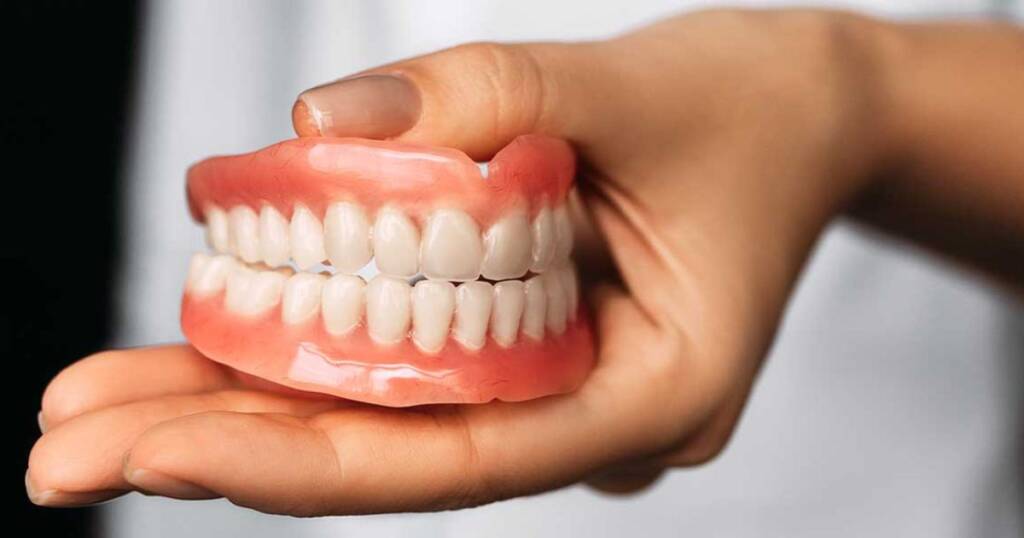
The implants themselves have proven to be able to last many years as long as the patient maintains good oral health and attends normal reviews. However, the denture and the attached parts usually require care sooner. Just like with any denture, bases, clips and teeth of acrylic are worn over time.
What affects longevity?
- Smoking
- Night grinding
- Poor cleaning
- Heavy bite forces
- Missed check-ups
- Changes in Gums or Bone Over Time
Therefore, continued care is part of the success of implant supported solutions. It is often true that a well maintained overdenture can work well for years, but it should never be viewed as a treatment with no maintenance.
How to clean implant retained overdentures
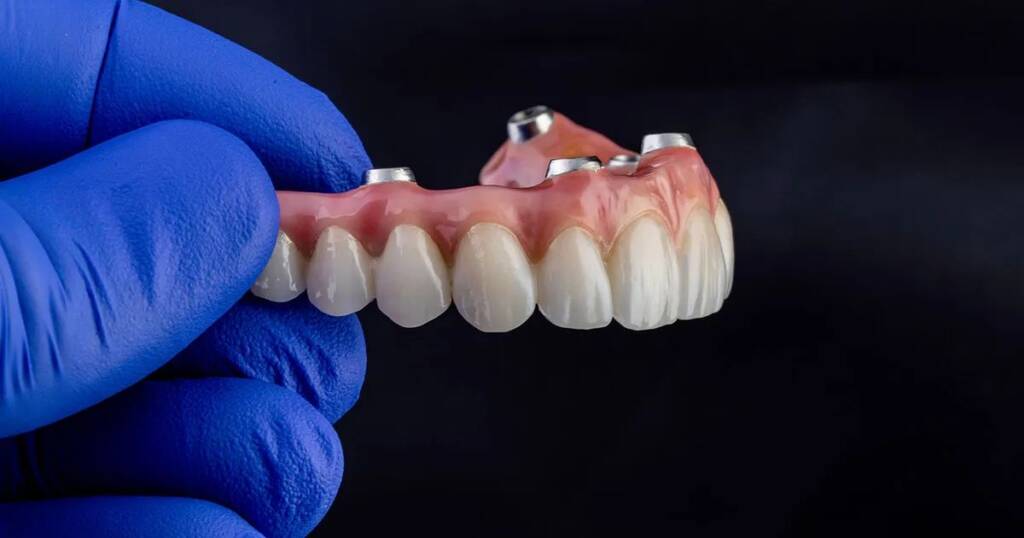
Cleaning is important as the plaque can accumulate around the implants and heads of the implant. Therefore, patients need to clean the denture and tissue daily.
Simple home-care routine
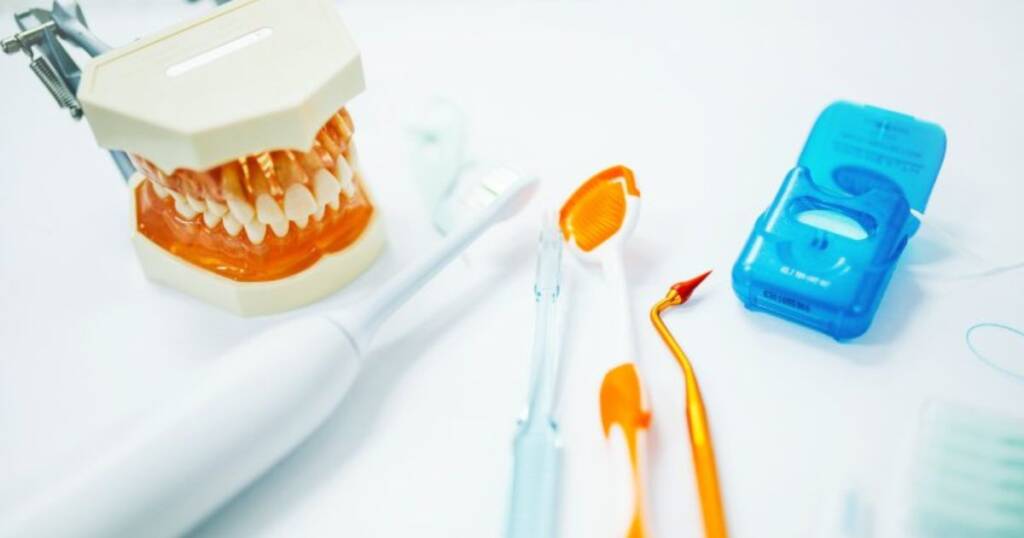
- Remove the overdenture with caution
- Brush the denture using a non-abrasive cleaner
- Clean around the attachments of the implant with a soft brush
- Brush the tongue, head (pallate), gums
- Soak the denture if your dentist suggests you do
Regular reviews allow the team to check retention, replace worn parts, and protect long-term oral health.
How much do implant overdentures cost?
Cost is dependent upon the number of implants, the attachment system, a need for grafting, and whether the old denture can be made to work. For example, two implants in the lower arch will typically tend to cost less than four implants in the upper arch. Likewise, sometimes a bar-retained design is more costly than a simple stud attachment design.
The best way to come to an understanding of price is through consultation. At ACE DNTL STUDIO, we take the time to know the individual patient and explain them clearly before they make their decision, helping you to compare between removable and fixed solutions.
Final thoughts on implant overdentures
For people with loose dentures or full-arch tooth loss, implant overdentures can be a smart and life-changing option. They offer the comfort of a removable dental prosthesis without the worry of having to sketch a face shape and combine them with the security of dental implants, and they often offer greater comfort, function and confidence than conventional dentures. In the right case, implant overdentures improve stability, support the jawbone, and make everyday life easier.
If you are considering implant retained overdentures or implant supported overdentures on the Costa del Sol, the team at ACE DNTL STUDIO can help you explore the best treatment for your needs.
Direct Answers
- What is the difference between an implant overdenture and a fixed bridge?
- An implant overdenture is removable by the patient and clips onto implants for stability. A fixed bridge is permanently attached and can only be removed by a dentist. Overdentures are easier to clean and typically less expensive, while fixed solutions feel closest to natural teeth.
- How many implants do I need for an overdenture?
- The lower jaw typically requires two implants, while the upper jaw often needs four due to softer bone and different anatomy. Your dentist will recommend the right number based on your bone quality, bite force, and treatment goals.
- Are implant overdentures painful to get?
- Implant surgery is performed under local anaesthetic and most patients report the procedure is easier than expected. Some swelling and mild discomfort are normal in the days following surgery, but these are typically manageable with standard pain relief.
- How long do implant overdentures last?
- The implants themselves can last many years with proper care. The denture and attachment components will need periodic maintenance - clips may need replacing, and the denture may need relining over time. Regular check-ups are essential for longevity.