Sugar Free Chewing Gum – What It Does to Your Teeth (Dentist Guide).
Sugar free gum is a surprisingly effective add-on to oral health - it increases saliva, neutralises acid, and supports enamel. But timing and type matter more than most people realise.
Sugar free chewing gum is a surprisingly effective to use as an add-on to oral health because it increases saliva which helps neutralize acid and tooth enamel. However, it is not a substitute for brushing, and some types of gums (particularly those with very acidic flavours) may still lead to dental erosion in the long run.
If you want the most benefit, make sure you chew sugar free gum at the right time (usually after meals) and choose the right type of product – and that's xylitol ideally.
Is sugar free chewing gum good for your teeth? (Quick answer)
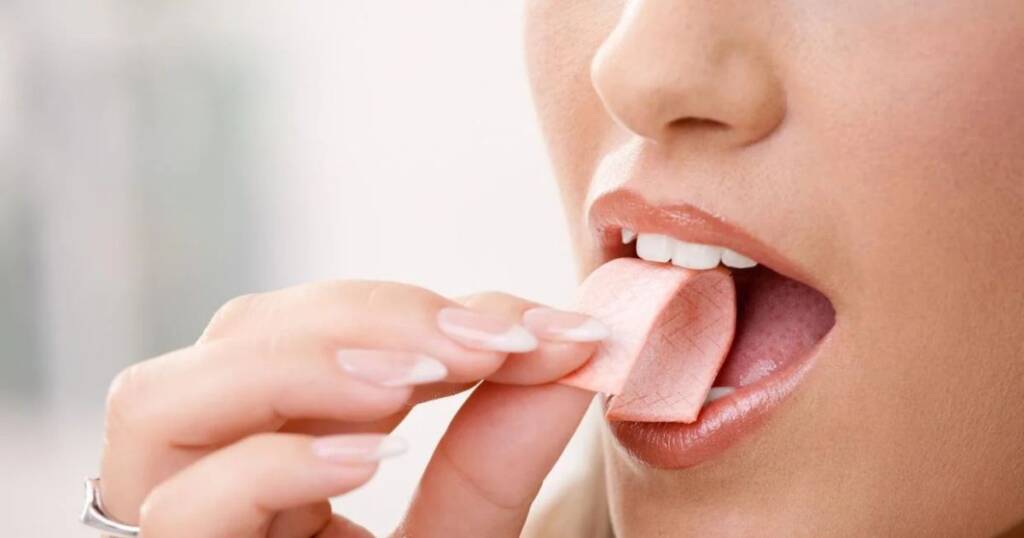
For the majority of population, sugar free gum is good for teeth, if they are used correctly.
It helps because it:
- Stimulates saliva which can neutralise acids after eating meals.
- Aids remineralization of the enamel by returning minerals to the enamel through saliva
- Can help you reduce the risk of cavities if it contains xylitol.
- Temporarily helps to improve bad breath (especially if dry mouth is a problem).
This can be less helpful (or problem causing) when:
- You chew all the time throughout the day, this could put pressure on the jaw.
- You go for some very acidic flavours, which can contribute towards enamel wear.
- You use gum in lieu of the habits of brush and flossing.
Why dentists tell you to chew gum after your meals

After you eat, oral bacteria consume carbs and produce acid. As a result, your mouth becomes more acidic for a while and that acid can pull minerals out of the tooth enamel.
That is where chewing gum can be of help. When you chew you kick in the flow of saliva. Saliva is like your mouth's natural rinse, by diluting acids, raising the PH of your mouth and carrying calcium and phosphate minerals for your teeth to use in fixing and repairing enamel The American Dental Association notes that sugar-free gum can help promote the flow of saliva, which will help promote oral health (ADA).
Best practice: Chew sugar free chewing gum for 10-20 minutes after meals. That timing is advantageous because of the acid that rises up the most after eating, and saliva is your fastest tool in buffering that.
How sugar free gum helps protect enamel (and how erosion happens)
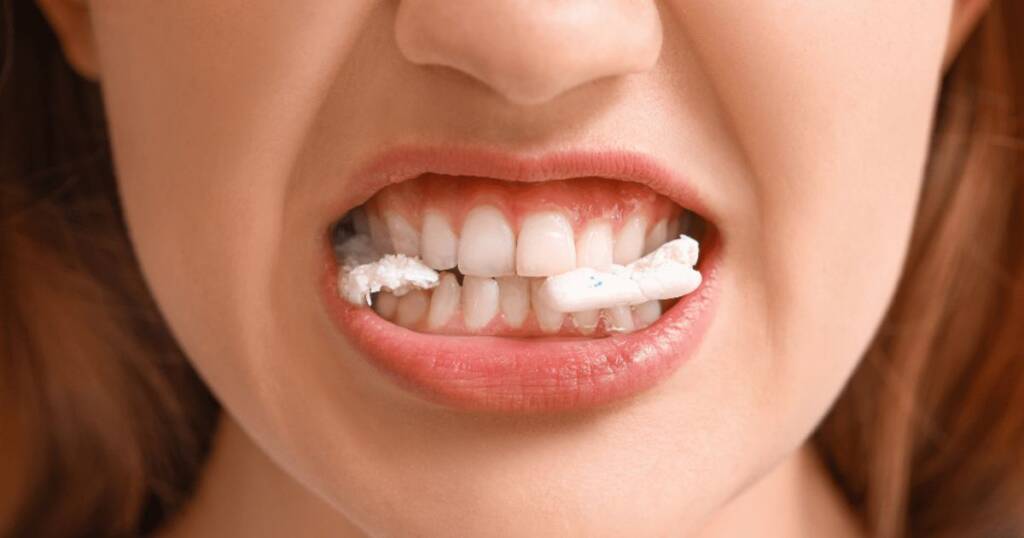
Tooth enamel is strong, but it is not "alive" which means your body can't grow it back. Instead, enamel experiences two processes that are continually occurring:
- Demineralization- acid strips the enamel of minerals
- Remineralization: saliva replenishes minerals to the enamel
So, sugar free gum helps to protect enamel primarily by enhancing saliva which tips the balance in favor of remineralization.
Can gum "soften tooth enamel"?
Yes, indirectly. After you consume something acidic (e.g. soda, citrus beverages), the enamel can become temporarily softened. Chewing itself doesn't cause enamel damage in a healthy mouth, but add this constant acid exposure and you can have a more dangerous cycle.
Important: If you just had acid, do not brush right away. Instead, drink water, chew sugar free gum and wait roughly 30-60 minutes before you brush your teeth. That way, there is less abrasion during the time the enamel is softened.
Sugar free gum and dental Erosion
Dental erosion is loss of teeth (enamel) due to acids (not bacteria). It is different from cavity that consists of bacteria plus acid. If your gum's acidic additives and/or you were sipping acidic beverages throughout the day, gum isn't going to "fix" the basic problem – although extra saliva may certainly help.
Xylitol vs Other Sweeteners What's best?

Many people ask a question whether the sweeteners are "safe." In dentistry, we are concerned about the ability of a sweetener to feed the cavity-causing bacteria. Sugar does. Many non-sugar sweetenings do not.
Xylitol is a stand out since it perhaps limits the capacity of specific kinds of bacteria (such as those of S. mutans) to flourish. That is why it is often recommended by dentists to use a sugar free gum that contains xylitol.
Sweetener comparison table
| Sweetener in sugar free gum | Feeds cavity bacteria? | Dental note | Common concern |
|---|---|---|---|
| Xylitol | No | May help reduce harmful bacteria; supports saliva | Too much may upset stomach |
| Sorbitol | Low | Better than sugar, but some bacteria can adapt | Gas/bloating in excess |
| Aspartame/Sucralose | No | Doesn't feed bacteria; mainly flavor sweetness | Taste preference debates |
Safety Note – Xylitol is poisonous to dogs, so stash/stock gum safely at home and in bags.
Will "sugar free gum whiten" your teeth.
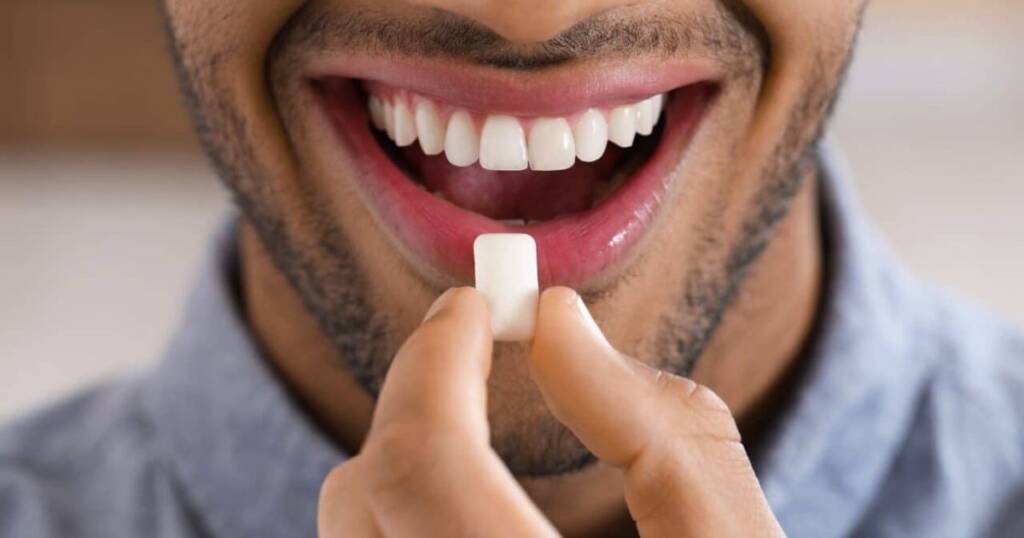
Sugar free gum can be used to make teeth appear cleaner in the short-term because it increases salivary and helps "wash away" food debris. However, it is not able to change the natural internal color of teeth like professional whitening can.
What it can do well:
- Reduce build up after coffee or food as it increases the flow of saliva
- Make the breath fresher and inhibit staining from dry mouth
What it cannot do:
- Pick up deep stains or significantly whiten the enamel by itself
If whitening is your goal, gum is a supportive habit not the main solution.
Sugar free chewing gum for bad breath, dry mouth

Good breath arising from bad breath A bad breath is usually the result of bacteria, trapped food, gum diseases or dry mouth. When there is less saliva, the odor causing compounds accumulate faster. Therefore, chewing sugar free gum can help as saliva can help clear debris and reduce the intensity of odor.
That said, gum is not a cure if bad breath is due to gum disease, cavities, infected teeth or reflux. If the breath odor does not go away despite brushing and flossing, a dental visit can help you determine the cause.
Dry mouth tip: Sugar free gum is often sugar free gum suitable for mild dry mouth during the day. Still, if your mouth gets dry every night or you wake up thirsty, ask your Dentist about saliva substitutes and cavity prevention strategies.
Is sugar free gum safe to chew on every day?
For most people, the sugar free gum safe daily use is reasonable. Still, the dose matters.
Common limits to consider:
- Jaw strain / TMJ If your jaw clicks or aches, cut down on week chewing time.
- Digestive upset: Some sweeteners might cause gas if you chew tons of it.
- Acid exposure: Avoid gum with high acidic flavoring if you have erosion.
Also, you can swallow the gum by accident. It usually passes through your digestive system but you don't want to be accustomed to it – especially in the case of children.
Braces, Dentures, Gum Formats (Sticks vs. Pellets)
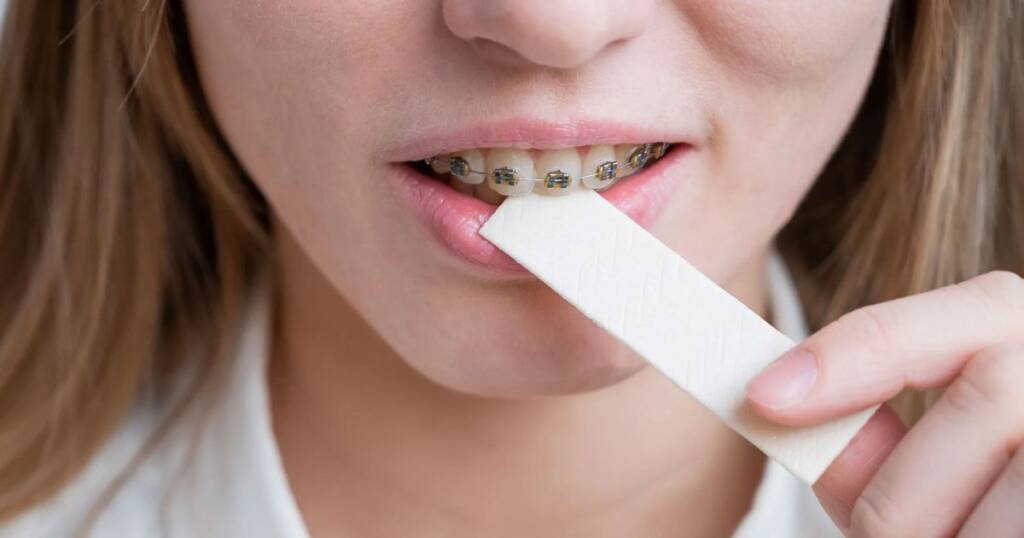
People usually query the topic of gum with orthodontic appliances. With braces sometimes gum may get stuck to the brackets and wires. Some orthodontists give you the liberty to do it and some orthodontists say avoid it. Ask your provider because this depends upon your appliance as well as your habits.
With dentures, sticky gum (especially some gum sticks) can break the seal of the denture. If you wear dentures, try to take a less sticky form, or stick to gum pellets that soften faster.
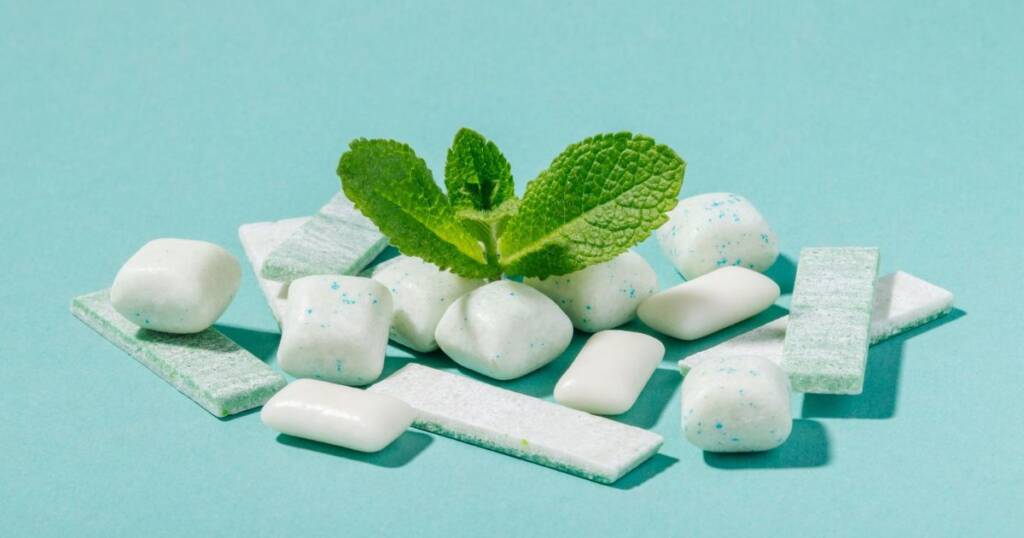
Gum sticks vs gum pellets: What's the difference?
- Gum sticks: Often larger in size, can remain sticky for a longer period of time, can adhere to dental work
- Gum Pellets: Often hard at first, soften; may be easier to portion
No matter what the form is, seek sugar free on the label and use those flavors which are not "sour" or acidic in taste.
Best ways to use Sugar free chewing gum (dentist checklist)
If you would like to get some sugar free gum help for your teeth, do this in a strategic way:
- Chew after meals for 10-20 minutes.
- Choose a gum containing xylitol if possible.
- If you had something that was acidic, wait to brush (30-60 minutes).
- Keep chewing reasonable so as to protect your jaw.
- Keep the brushing going – twice a day and clean the interproximal spaces among the teeth – gum is not replacement.
FAQs (fast answers)
Does sugar free chewing gums stop cavities?
It can help you to have less cavities since it increases saliva and lowers the exposure to sugar, especially with xylitol.
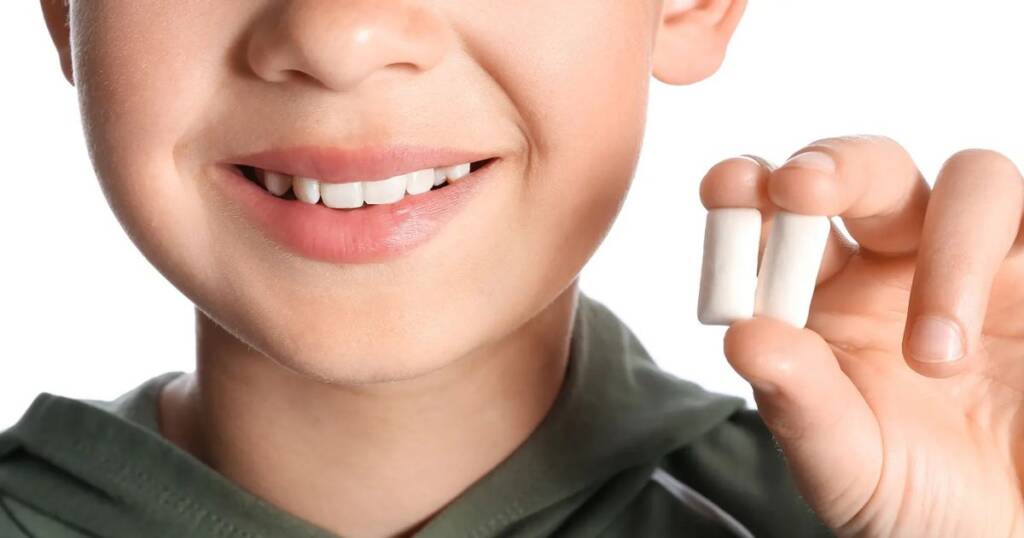
Is sugar free Gum OK for kids?
Often a yes for older kids that can safely chew it, but supervise and avoid it for very young children.
Should I chew gum with braces?
Sometimes but ask your orthodontist. Gum can be sticky and cause problems.
Bottom line: Sugar free chewing gum and teeth
Used the right way, sugar free chewing gum can be a great support of the enamel, reducing the impact of acids after a meal, as well as combating dry mouth, which can also contribute to bad breath symptoms. Still, it's best used as part of a comprehensive plan: Brushing with fluoride, cleaning in-between teeth, and seeing your dentist regularly so that you can catch erosion or decay before it starts.
If you experience sensitivity, visible wear of your enamel, dry mouth problems that are noticeable, or are constantly experiencing bad breath, we would recommend you schedule a dental exam where we can help find the real cause of the problem, as well as the most appropriate solution.
Direct Answers
- Is sugar free chewing gum good for your teeth?
- Yes, when used correctly. It stimulates saliva which neutralises acids, aids remineralisation, and can reduce cavity risk - especially when it contains xylitol. However, it should complement brushing and flossing, not replace them.
- Does sugar free gum help with bad breath?
- It can help temporarily by stimulating saliva and clearing food debris. However, if bad breath persists despite good oral hygiene, it may indicate an underlying issue like gum disease or dry mouth that requires professional assessment.
- How long should I chew sugar free gum after eating?
- Chew for 10 to 20 minutes after meals. This timing maximises the benefit because acid levels in the mouth peak after eating, and the increased saliva helps buffer that acid most effectively during this window.
- Is xylitol gum better than other sugar free gums?
- Xylitol has a specific advantage: it may limit the growth of cavity-causing bacteria like Streptococcus mutans. Other sweeteners like sorbitol and aspartame do not feed bacteria but lack this additional antibacterial benefit.