Night Guard for Teeth: Stop Grinding and Protect Your Smile
Teeth grinding can wear down enamel, crack dental work, and cause chronic jaw pain - often without you realising it. A night guard is one of the most practical ways to protect your smile.
Most people have never imagined that teeth grinding (also known as bruxism) is any more than a common knowledge. Nevertheless, it is possible to grind until one feels sore in the jaws, headaches, or teeth are worn out without notice by many people. A night guard for teeth can reduce damage and help you wake up more comfortable.
In this guide, you will know what a night guard is, how to select the appropriate mouth guard, and the way to keep it hygienically maintained so that your mouth can remain healthy.
What Is a Night Guard for Teeth?
A night guard for teeth is an occlusal guard (a protective dental device) you wear while you sleep. It is positioned either on top of your upper tooth or lower tooth and no longer have your upper and bottom teeth rubbing directly against one another.
In spite of the fact that a night guard will never cure the grinding and clenching, it can help guard your teeth and decrease the pressure of the jaw. Moreover, it has the capacity to prevent the destruction of costly dental cosmetics such as crowns, veneers and bonding by the tooth.
According to the American Dental Association, mouthguards may be used to protect the xenia of teeth against injuries and be prescribed because of bruxism.
(Source: https://www.ada.org)
Symptoms Checklist – Signs that You Need a Night Guard.
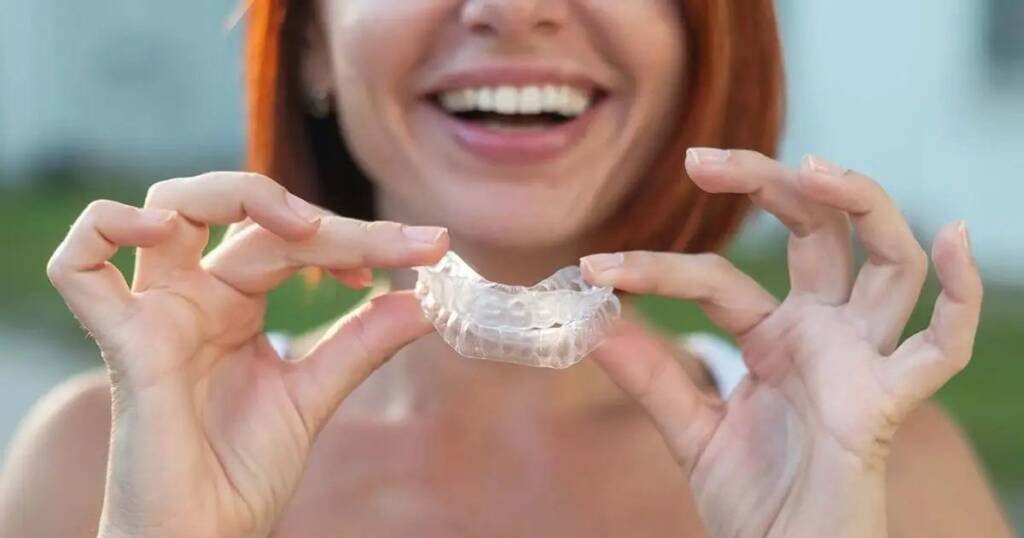
Grinding can occur at night, and thus, the hints occur mostly in the morning. Not to say the least, you may still get up with your muscles sore despite spending a full night in the bed.
The most frequent signs associated with grinding your teeth:
- Suffers morning pain in the jaw or tightness.
- Tension headaches
- Pain along the cheeks and along the temples.
- Cold or pressure sensitivity of teeth.
- Flattened edges, worn down teeth, or chipped enamel
- Minor cracks, fractured teeth, or numerous fixing up of fillings.
Other symptoms people miss:
- A shifting bite that feels "off"
- Gum tenderness or irritation in the mouth
- Your partner hears grinding at night
If you have these symptoms, a dental professional can confirm whether bruxism is likely and then treatment options can be discussed.
What Is The Cause of Teeth Grinding (Bruxism)?

There are several causes of Bruxism, and this is why no one-fit type of fix can solve the problem. Still, patterns show up often.
As a general rule, the causes of grinding and clenching include:
- Stress and anxiety (gnashing of teeth may be extended to sleep)
- Insomnia (light sleepiness and frequent waking, frequent waking).
- Stimulants (late caffeine, nicotine)
- Certain medications
- Alignment factors (sometimes) or bite factors.
The protective power of a Night Guard on your Teeth.
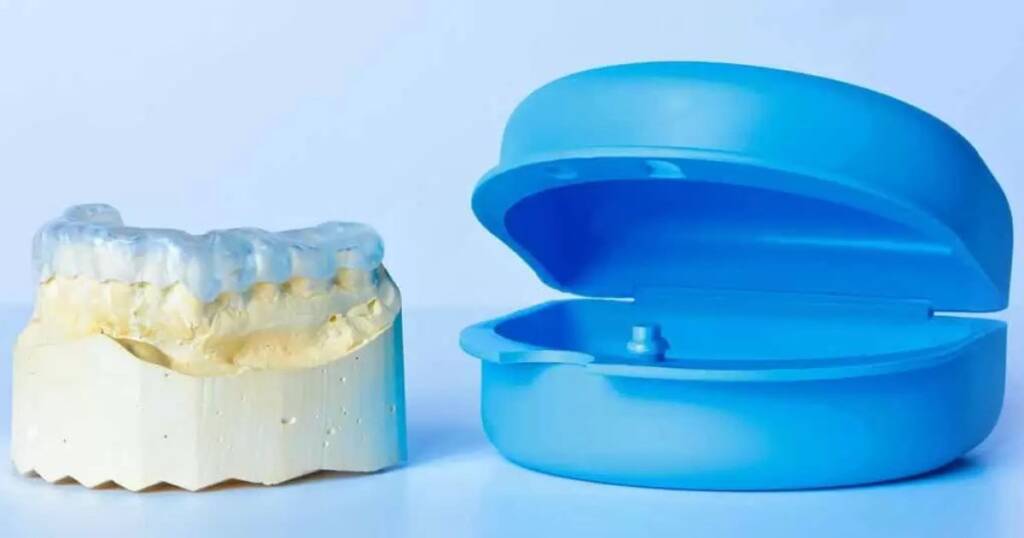
There are two ways in which a night guard works. To start with, it forms a barrier to ensure that enamel is not scraped by enamel. Second, it requires tension on comparatively large surfaces and that can help distribute the load away and allow the reduction of concentrated forces upon individual teeth.
The prevention of the helps of a night guard:
- Desaturation of enamel and atrophy of teeth.
- Fragile lines and shattered teeth.
- Perioperative injury of crowns and other dental resorbs.
- Micro-cracks which result in permanent injury to the tooth.
Nonetheless, protection is the primary provision of a guard. Consequently, you might continue requiring stress relieving, sleep enhancement, as well as other dental support to minimize the underlying grinding.
The difference between Night Guard and Mouth Guard.

When people refer to a mouth guard they may refer to several devices however, it depends on what the purpose is.
- An example of a night guard, which is aimed at grinding and clenching as a sleeping disturbance.
- Sports mouth guard is built for impacts in contact sports.
You may purchase guards at the majority of pharmacies, however, sports guard is typically large. Consequently, they are able to make you uncomfortable during the night and they may fail to position your bite in a straight line.
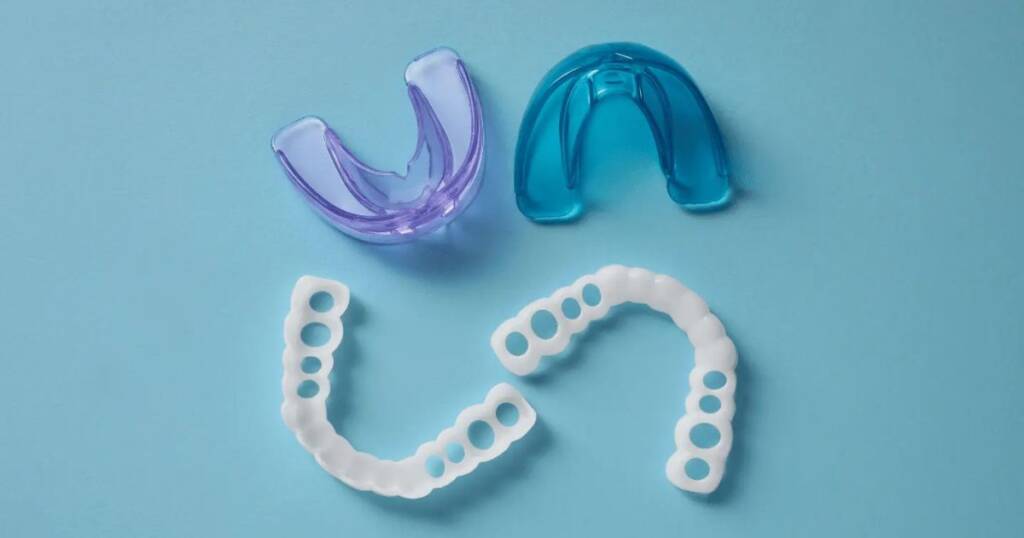
Night Guards Type (Comparison Table).
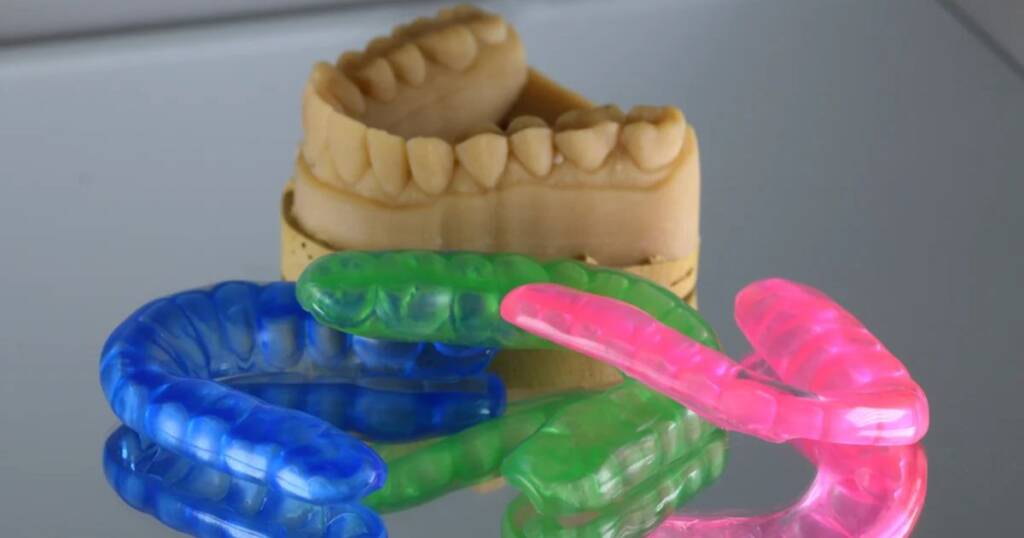
There is an enormous variety of them so it becomes easier to settle on one once you compare the fit, lasting ability as well as to whom they match.
| Type | How it fits | Best for | Common downsides |
|---|---|---|---|
| OTC (ready-to-wear) | Generic shape | General clenching, short-run experiment. | Poor fit, more bulk |
| Boil and bite | Molded in softened in hot water. | Mild to moderate cases | Can change shape, uneven bite |
| Custom fitted (dentist/lab) | Custom made, in total or scan/impression. | Bruxism, restorations, moderate to severe. | Higher cost, needs visits |
| Soft guard | Cushiony soft material | New users, mild clenchers | Tornerbooler machines that are heavy. |
| Hard acrylic guard | Rigid shell | Heavy grinding | Less "cushy," needs precise fit |
| Dual laminate | Soft inside, hard outside | Many adults with bruxism | Bulkier than hard-only |
A custom mouth guard is usually a better and more comfortable fit in case of grinding hard or crowns.
Custom Mouth Guard: What to Expect at the Dentist.
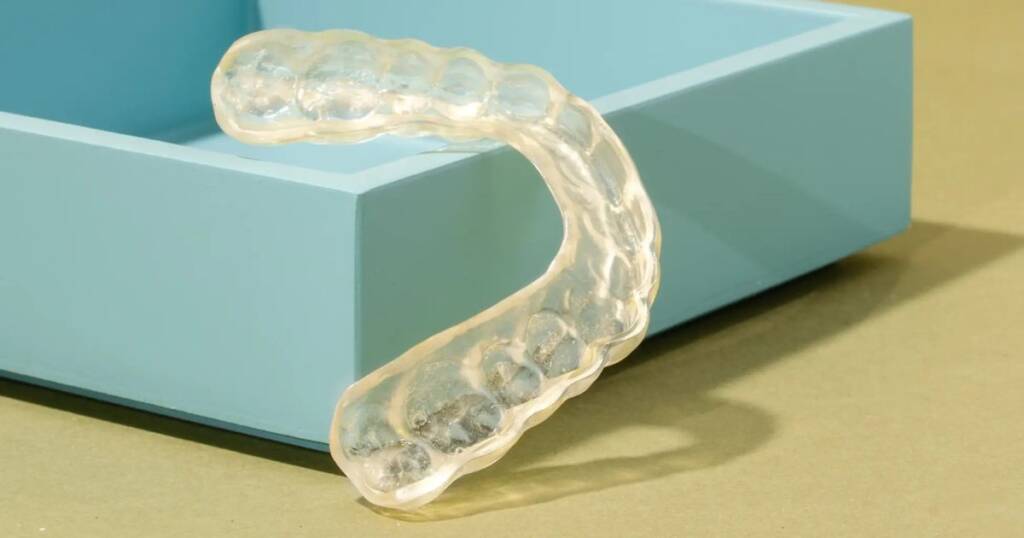
An exam is usually the first step that a dentist takes in order to find any wear, cracks, gum problems, and bite problems. Then they make a mold or a digital image of it in order to produce bespoke designed mouth guards that fit tightly into your teeth.
Once it is picked, the dentist is able to examine your bite and correct accordingly. This is important in as much as the uneven guard may place undue stress to the jaw and aggravated symptoms. A dentist-created guard can with proper care last several weeks, although heavy grinders may wear through sooner.
Difference between the Upper and the Lower Night Guard (Which one is better)?
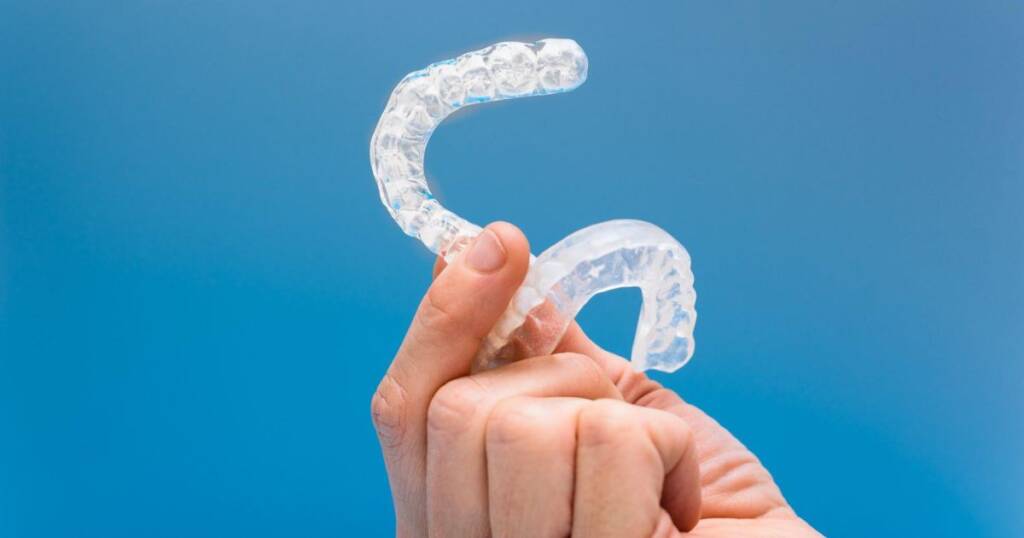
The majority of night guards do not protect both arches, only one of them. In most instances, an upper guard is prescribed by dentists as it may be more stable. However, a lower guard may feel less bulky for some people, especially if gagging occurs.
The "best" choice depends on:
- Where you have restorations
- The way you bite and the comfort.
- Which have the heavier wear on the lower tooth or on the upper tooth.
Instructions on Wearing a Night Guard.
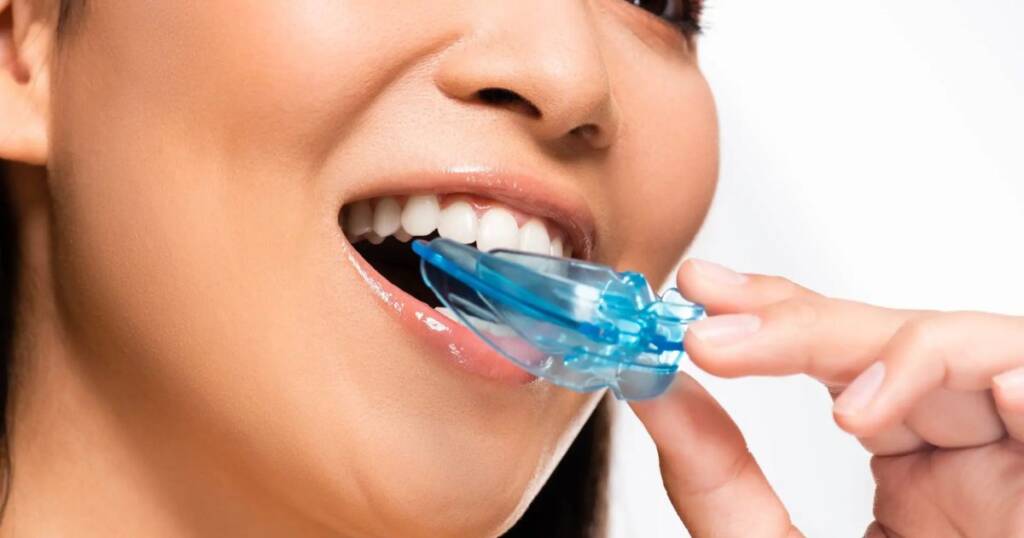
You must use it consistently in order to get the benefit. So, aim to recommend wearing it nightly unless your dentist advises otherwise.
Good nightly routine:
- Rinse the guard before use.
- Seat it fully so it feels snug, not forced.
- Go to sleep as normal and avoid chewing on it.
- Take it off in the morning, wash and store it.
In case of sharp pain, stop and call your dentist. A poor fit can worsen jaw pain.
Cleaning a Night Guard (Avoid Bacteria).
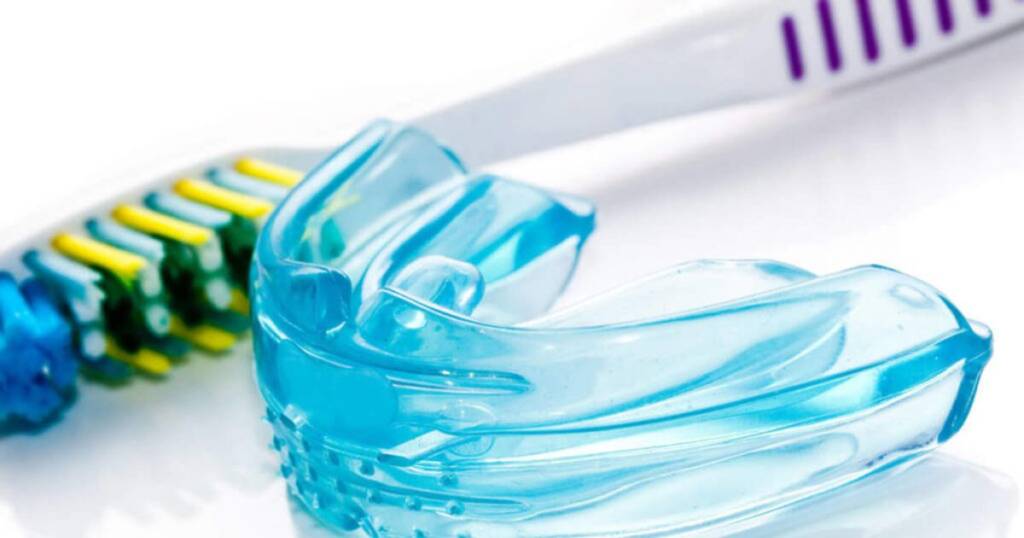
Plaque and bacteria are gathered by night guards, as is the case with teeth. As such, cleaning protects both your guard and your oral health.
Cleaning every day (not weary, no delays):
- Just rinse off with cool water.
- Wipe with soap or non-detergent cleaner.
- Let it air dry in a vented case.
Avoid:
- Hot water, that may kindle Bending and transform Shape.
- Aggressive chemicals that are gum irritants.
What is the duration of a night guard?
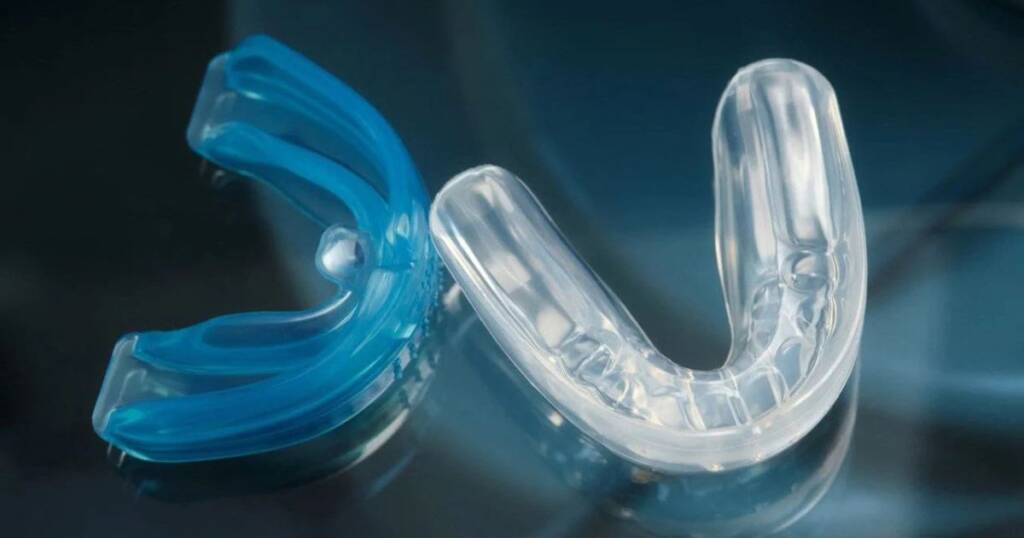
Lifespan is determined on material and grinding intensity.
- Depending on intense labels, OTC and boil-and -bite guards can be lasting over months.
- A tailored-made guard is one that can last many years in case of proper cleaning and storage.
Change the guard when you find that it has thin spots, cracks, jagged edges or no longer fits.
Does a Night Guard alleviate Jaw pain and headaches?
Many of them are relieved as the guard minimizes tooth contacts and overworking of muscles. Furthermore, there are also users who complain that the number of morning headaches and tightness in the jaw are reduced.
Nevertheless, in case the pain does not disappear, then you might require additional treatments, which include stress management, jaw therapy, or sleep problem assessment. You can need advice on the next steps by your dentist.
Risks and Popular Issues (And Resolutions).
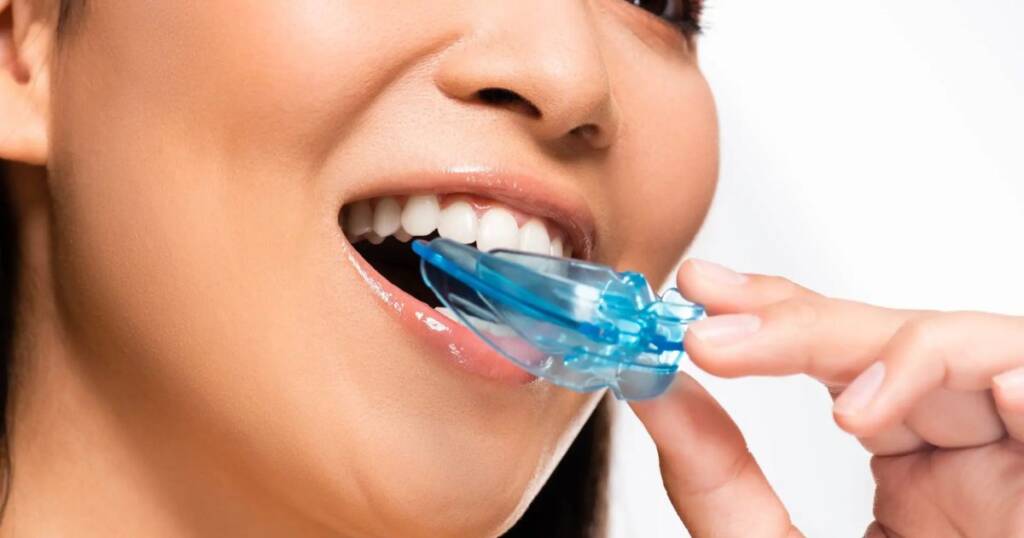
Fit and the inappropriate type are the most likely causes of problems.
Common issues and solutions:
- Discomfort: Change to a slim design or have the adjustment.
- Too much saliva: This normally clears up in seven days.
- Bite feels different: Avoid partial-coverage guards unless supervised.
- Cracking: Replace with a material of superior quality.
Night Guards for Children (Baby Teeth vs Adult Teeth)

Some children grind, particularly at growth spurts. It can happen when the child has not lost the baby teeth and in this case, the dentists usually take caution as long as there is no pain or harm. This process might shift once the person obtains adult teeth.
Due to the development of teeth and jaws, children require the help of a dental practitioner as opposed to a random over-the-counter solution.
FAQ: Night Guard for Teeth (Featured Snippet Answers)
Does teeth grinding stop in the presence of night guards?
No. Their primary role is to secure teeth and alleviate damage despite the common improvement of the symptoms.
Is it possible to purchase night guard at the majority of pharmacies?
Yes. There are OTC and boil and bite options, which vary in fit.
In which direction shall I go, upper or lower?
Either can work. The dentist will make a choice considering the comfort, bite and wear patterns.
What do I do to maintain good oral health when I use one?
Clean it daily, stored dry and regular dental check ups maintained.
When should I visit a dentist (Regular Dental Check Ups Matter)?

Visit a dentist in case of constant aching in the jaw, frequent chipping, tooth sensitivity, or cracks. It is also effective when it is visited on a regular basis to detect early wear before it becomes costly.
Conclusion: Choosing the Right Night Guard for Teeth
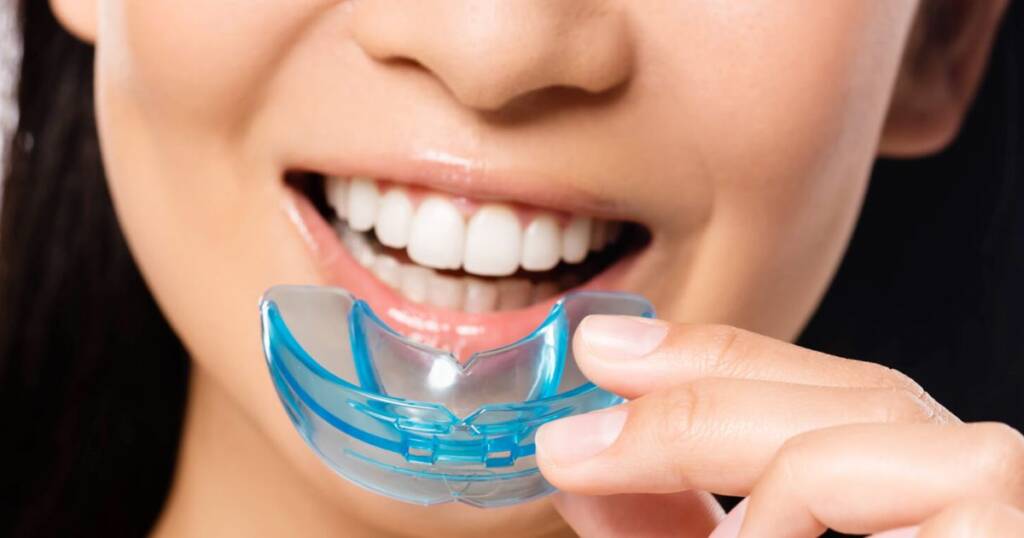
A night guard for teeth is one of the most practical ways to reduce harm from teeth grinding and clenching. It may prevent the loss of enamels, protect against fractured teeth and preserve the dental restorations. More crucially, it has the ability to help an individual have a better night sleep when grinding is interfering with comfort.
In case of mild symptoms, an OTC guard can be of temporary help. Nevertheless, in case of persistent pain or visible damage, consult a dentist to have a tailor-made mouth guard to protect against the risks of the safer and longer life.
Direct Answers
- Does a night guard stop teeth grinding?
- No. A night guard protects your teeth and reduces damage, but it does not stop the grinding itself. It creates a barrier between upper and lower teeth and distributes clenching forces more evenly.
- Should I get an upper or lower night guard?
- Either can work. Dentists typically recommend an upper guard for stability, but a lower guard may feel less bulky for some patients. The choice depends on comfort, bite pattern, and where your dental restorations are located.
- How often should I replace my night guard?
- Custom guards can last several years with proper care. Replace yours when you notice thin spots, cracks, rough edges, or a loose fit. OTC guards typically need replacing every few months under heavy use.
- Can a night guard help with jaw pain and headaches?
- Many patients experience reduced jaw pain and morning headaches with consistent night guard use. The guard minimises tooth contact and muscle overwork. If symptoms persist, additional treatment like stress management or jaw therapy may be needed.